
Reaching New Heights — Exploring the Riverside Church and St John’s Architectural Journey

The skyline of New York City is filled with countless stories, but few are as fascinating as those found within its churches. Two outstanding examples are the Riverside Church and the Church of St. John. Both structures embody ambitious architectural visions that soar skyward, merging artistry, faith, and engineering. This article delves into their distinct narratives, showcasing how each building represents a different chapter in the evolution of American religious architecture.
The Riverside Church: A Symbol of Ambition and Artistry
Situated in Manhattan’s Morningside Heights, the Riverside Church is a stunning example of Gothic Revival architecture. Completed in 1930, it was envisioned as a beacon of hope and unity, financed by philanthropist John D. Rockefeller Jr. The church’s towering spire, inspired by the renowned 13th-century cathedral in Chartres, France, reaches a height of 392 feet, making it one of the tallest church buildings in the United States.
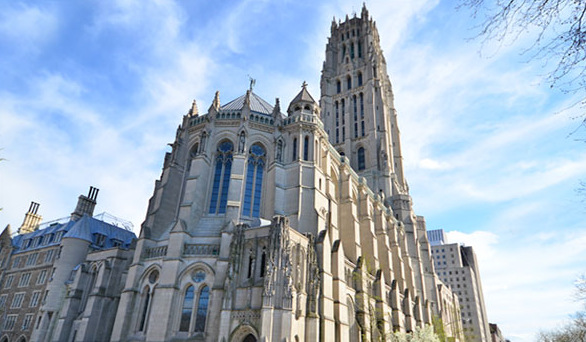
Architectural Highlights
Tower Design: The tower’s vertical design draws the eye upward, symbolizing spiritual elevation. Its intricate stone carvings and expansive stained glass windows contribute both beauty and significance.
Interior Space: Inside, the church features a grand nave with a high vaulted ceiling, fostering an atmosphere of majesty and reverence.
Materials: Constructed from limestone and granite, the building conveys a sense of permanence and strength, while the detailed masonry work showcases exceptional craftsmanship.
The Riverside Church was intended not just as a place of worship, but also as a community center. Its large auditorium and meeting spaces have hosted numerous events, ranging from lectures to concerts, reflecting its role as a cultural hub.
A Giant Still in Progress: The Church of St. John
In contrast, the Church of St. John tells a different story. Located in a developing urban neighborhood, this church has been referred to as a "giant still in progress." Construction began in the early 20th century but has faced numerous delays due to economic challenges and shifting priorities.

The Vision Behind St. John
The original vision for St. John was ambitious: a monumental structure that would serve as both a spiritual and social anchor for the community. The design fused traditional Gothic elements with modern influences, aiming to create a space that feels both timeless and contemporary.
Construction Challenges
Interrupted Work: Financial struggles during the Great Depression and World War II hindered progress, leaving parts of the church incomplete for decades.
Adaptive Use: Despite its unfinished state, the church has adapted by utilizing available spaces for worship and community activities.
Ongoing Efforts: Recent restoration and building initiatives have rekindled interest in fulfilling the original vision, merging traditional craftsmanship with modern construction techniques.
The Church of St. John stands as a testament to perseverance and faith, illustrating how architectural aspirations can evolve over time while still inspiring those who enter its doors.
Lessons from Their Stories
The Riverside Church and the Church of St. John offer valuable insights for architects, historians, and community leaders:
Vision Matters: A clear and ambitious vision can create landmarks that inspire future generations.
Adaptability Is Key: Even unfinished projects can fulfill important roles if they adjust to current needs.
Community Connection: Churches that engage with their communities beyond worship tend to have a lasting impact.
Preservation and Progress: Balancing restoration with modern requirements ensures that historic buildings remain relevant.
These lessons remind us that architecture is a dynamic process, shaped by people, time, and purpose.
Final Thoughts on Reaching New Heights
Examining the Riverside Church and the Church of St. John reveals more than just architectural features. It demonstrates how buildings can embody hope, resilience, and community spirit. Whether fully realized or still in development, these churches continue to strive for the sky, inviting us to appreciate the powerful fusion of design and faith.


Comments